
Tag: Traumatic Brain Injury

  • Brain Injury and Intimate Partner Violence: Policy, Screening, and Legal Implications

    Why Domestic Violence Must Be Treated as a Brain Injury Crisis

    Domestic violence is often treated as a matter of bruises and broken bones. Far less attention is given to the neurological damage caused when abusers strike the head and face. Yet brain injury may be the most lasting and least recognized harm inflicted through intimate partner violence.

    Both males and females can be victimized by intimate partner violence (IPV); however, approximately four in five victims of criminally recorded IPV identify as female. Females experience significantly greater physical injury and incur higher service-related costs than males. IPV perpetrators frequently target the head and face, which places victims at high risk for brain injury (BI). Estimates suggest that up to 75% of women who survive IPV sustain a BI in the context of abuse (Dams-O’Connor et al., 2023). This concentration of injury to the head and face underscores why IPV must be understood not only as a criminal justice issue but also as a neurological and public health crisis. Brain injury disrupts cognition, emotional regulation, and impulse control, creating long-term vulnerabilities that extend far beyond the immediate incident.

    The Centers for Disease Control and Prevention (CDC) highlights that a large proportion of adults and juveniles in prisons and detention centers report a history of traumatic brain injury (TBI). These injuries are associated with mental health challenges, substance use, impulsivity, and behavioral problems that affect daily functioning and contribute to disciplinary issues within correctional facilities. The CDC further emphasizes that routine TBI screening and improved identification and management in correctional settings can facilitate access to care, guide safety and de-escalation strategies, and improve health outcomes during incarceration and following release (CDC, n.d.). These findings demonstrate how unrecognized TBIs—many of which originate in violent contexts such as IPV—can shape later involvement with the justice system. Without screening and intervention, brain injury becomes a hidden factor driving behavioral outcomes, reinforcing cycles of victimization, criminalization, and untreated disability.

    Legislative and Policy Developments

    Recognizing the growing evidence linking violence and brain injury, policymakers have begun to respond at both local and federal levels. In November 2025, the New York City Council passed legislation amending the administrative code of the City of New York to require a training program for first responders and a public awareness campaign addressing the health effects of domestic violence–related traumatic brain injuries (New York City Council, 2025). This local action reflects an emerging policy shift toward early identification and prevention rather than solely post-injury response.

    At the federal level, Congress introduced the Protecting Survivors from Traumatic Brain Injury Act of 2023 (S. 3144), which sought to authorize the Secretary of Health and Human Services to collect data on the prevalence of brain injuries resulting from domestic and sexual violence. Although the bill was unsuccessful, it reflects increasing recognition of IPV-related TBI as a public health and policy issue (BillTrack50, 2023). Even in failure, this legislation signals that brain injury is no longer viewed as incidental to abuse but as a measurable harm requiring national surveillance.

    Federal attention to TBI is not new. The Traumatic Brain Injury Act of 1996 established a national framework for prevention, research, and service delivery through state grants administered by the Health Resources and Services Administration (HRSA). In 1998, Alabama supplemented this federal effort by creating the Head Injury and Spinal Cord Injury Registry Act to track hospital discharges and connect survivors with services (Alabama Department of Rehabilitation Services, n.d.). These early initiatives laid the foundation for treating TBI as a chronic condition requiring coordinated care rather than a one-time injury event.

    The TBI Amendments of 2000 expanded the original Act by strengthening CDC surveillance and education efforts, authorizing National Institutes of Health (NIH) research on cognitive and neurobehavioral outcomes, and increasing HRSA’s role in developing state service capacity and consumer-directed supports. These amendments also improved data collection through registries, broadened allowable services and funding flexibility, and created protection and advocacy programs to ensure coordinated, rights-based services nationwide (Brain Injury Association of America, 2022). This expansion reflects growing awareness that the consequences of TBI extend into legal rights, service access, and long-term independence.

    The 2008 reauthorization extended federal funding and strengthened CDC and NIH responsibilities for surveillance and reporting across civilian, institutional, and military populations. It also refined the HRSA state grant program to emphasize rehabilitation and expanded eligibility to American Indian consortia while adding training and technical assistance provisions (Brain Injury Association of America, 2022). By broadening populations and services, Congress acknowledged that brain injury cuts across social systems, including healthcare, corrections, and tribal governance.

    The TBI Reauthorization Act of 2014 further strengthened research coordination by directing the CDC and NIH to study pediatric brain injury management and identify future research needs. It authorized funding through 2019 and shifted administrative responsibility for state and protection and advocacy grants to the Secretary of Health and Human Services to improve federal coordination (Brain Injury Association of America, 2022). This shift illustrates an effort to centralize oversight and improve consistency in how states address brain injury.

    The 2018 reauthorization expanded CDC authority to collect national concussion data and formally assigned the Administration for Community Living within HHS to administer the TBI State and Protection and Advocacy grant programs. Funding was reauthorized through 2024, and HHS was required to report to Congress on program outcomes and consumer satisfaction to improve accountability and effectiveness (Brain Injury Association of America, 2022). Together, these legislative changes demonstrate a trajectory toward evidence-based governance, emphasizing data, outcomes, and survivor-centered systems.

    Screening Tools and Identification

    Legislation alone is insufficient without practical tools for identifying brain injury. The Brain Injury Screening Questionnaire–IPV (BISQ-IPV) module is a seven-item self-report add-on designed to identify lifetime head, face, or neck injuries sustained in the context of IPV, including experiences such as being shoved, hit, strangled, or choked. The tool uses contextual prompts specific to IPV experiences to improve reporting of IPV-related brain injuries, which are often missed by standard TBI screening questions. Preliminary research suggests that incorporating IPV-specific items increases disclosure of both IPV-related and other violent brain injuries (Dams-O’Connor et al., 2023). This innovation addresses a critical gap: traditional medical screening fails to capture injuries embedded in abusive relationships.

    Additional evidence-based screening tools include the Ohio State University Traumatic Brain Injury Identification Method (OSU TBI-ID), the Traumatic Brain Injury Questionnaire, and the Brain Check Survey. These tools are brief, can be integrated into intake procedures, and help detect both TBI history and related symptoms. They also provide guidance on best practices for administration in correctional and justice settings to encourage honest reporting and appropriate follow-up (VA MIRECC, n.d.). Their adaptability across institutional settings makes them especially valuable for populations with high exposure to violence and limited access to neurological care.

    The HELPS TBI screening tool, developed by Picard, Scarisbrick, and Paluck, is designed to identify TBIs based on reported head injuries and is particularly useful in emergency department settings. Together, these instruments show that practical, low-burden screening is already available; the remaining barrier is institutional adoption.

    State-Level Implementation

    Several states have operationalized these tools and policies through targeted initiatives. Ohio utilizes the OSU TBI-ID across service systems, including correctional facilities. Arizona has implemented prehospital TBI treatment guidelines associated with improved survival rates (EPIC Arizona, n.d.). Missouri developed a five-year state plan (2024–2029) emphasizing surveillance, data collection, and service improvement (Missouri Department of Health and Senior Services, 2024). New York operates a Medicaid HCBS/TBI waiver through Regional Resource Development Centers. Indiana maintains a trauma registry for hospital admissions, and North Carolina implemented a state action plan utilizing TBI tools for safety and referral pathways. Alabama, California, Colorado, Georgia, New Jersey, Ohio, and Washington have also developed extensive TBI initiatives. These examples demonstrate that coordinated, state-level implementation is feasible and scalable when supported by federal frameworks and clinical tools.

    Policy Implications for Mandatory Screening

    Given the availability of validated screening instruments, mandatory use in hospitals and clinics is crucial when a victim of domestic violence reports a head injury. Law enforcement officers should request emergency medical technicians (EMTs) whenever a blow to the head is reported. EMTs should conduct initial evaluations using structured screening questions such as those in the HELPS protocol. When further evaluation is indicated, medical professionals should determine whether the individual has sustained a concussion or a more serious traumatic brain injury as a result of domestic abuse. This clinical pathway ensures that neurological harm is treated as an urgent medical issue rather than an incidental detail of assault.

    A confirmed diagnosis of TBI should elevate charges from domestic assault to aggravated assault, similar to existing strangulation laws in Tennessee. This policy shift would enhance victim safety and recognize the severity of brain injury as a potentially life-altering harm rather than a minor or temporary injury.By linking medical diagnosis to legal classification, the justice system can better reflect the true magnitude of harm caused by IPV-related brain injury and deter repeated head trauma.

    Reference List

    Alabama Department of Rehabilitation Services. (n.d.). Traumatic brain injury serviceshttps://rehab.alabama.gov/services/vr/tbi

    Brain Injury Association of America. (n.d.). Traumatic Brain Injury Acthttps://biausa.org/public-affairs/public-policy/traumatic-brain-injury-act

    Brain Injury Association of America. (2022). History of the Traumatic Brain Injury Acthttps://static1.squarespace.com/static/5eb2bae2bb8af12ca7ab9f12/t/627b1c9818bd873a81a9c617/1725378662793/update_history+of+the+Traumatic+Brain+Injury_2022.pdf

    Centers for Disease Control and Prevention. (n.d.). Traumatic brain injury in correctional facilitieshttps://www.cdc.gov/traumatic-brain-injury/health-equity/correctional-facilities.html

    Dams-O’Connor, K., Bulas, A., Haag, H. L., Spielman, L. A., Fernandez, A., Frederick-Hawley, L., Hoffman, J. M., & Goldin Frazier, Y. (2023). Screening for brain injury sustained in the context of intimate partner violence (IPV): Measure development and preliminary utility of the Brain Injury Screening Questionnaire IPV module. Journal of Neurotrauma, 40(19–20), 2087–2099. https://doi.org/10.1089/neu.2022.0357

    Indiana Department of Health. (n.d.). Trauma registryhttps://www.in.gov/health/trauma-system/trauma-registry/

    Missouri Department of Health and Senior Services. (2024). Missouri traumatic brain injury state plan 2024–2029https://health.mo.gov/seniors/tbi/pdf/mo-tbi-state-plan-2024-2029.pdf

    New York City Council. (2025). Legislation requiring training and public awareness of domestic violence–related traumatic brain injurieshttps://legistar.council.nyc.gov/LegislationDetail.aspx?ID=6509351&GUID=0FD40397-B3A9-4445-8815-65B735396111

    North Carolina Department of Health and Human Services. (2023). North Carolina state action plan for people with traumatic brain injuryhttps://www.ncdhhs.gov/tbistateactionplan2023final2/open

    U.S. National Library of Medicine. (n.d.). Brain Injury Screening Questionnaire (BISQ) IPV modulehttps://pmc.ncbi.nlm.nih.gov/articles/PMC10623077/VA Mental Illness Research, Education, and Clinical Centers. (n.d.). Screening and assessment for TBI in justice settingshttps://www.mirecc.va.gov/visn19/tbi_toolkit/justice/screening_assessment.asp#screenTBI
  • Domestic Violence’s Invisible Injury: Why Traumatic Brain Injury (TBI) Must Be Taken Seriously

    How hidden brain injuries, strangulation laws, and medical evidence expose a major gap in domestic violence protection.

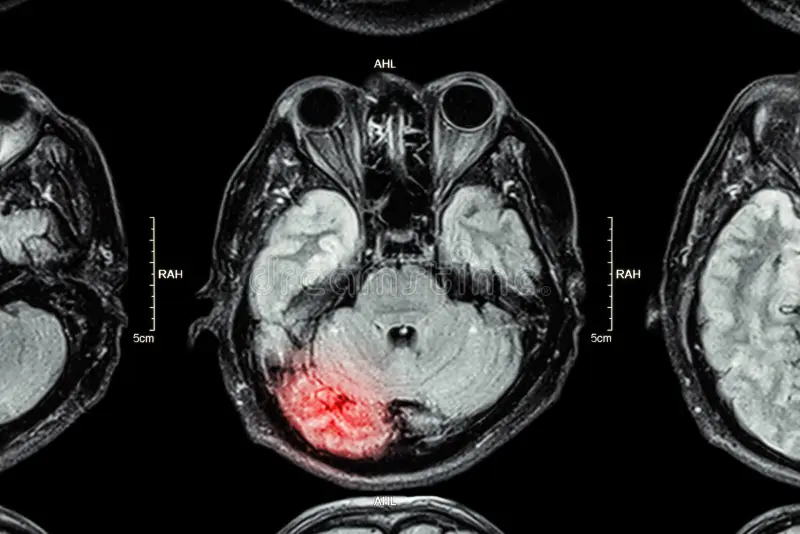
    Intimate partner violence (IPV) is a widespread social and public health crisis with serious physical, psychological, and legal consequences. While public attention has long focused on emotional trauma, chronic stress, and visible injuries, one outcome has remained dangerously under-recognized: traumatic brain injury (TBI). Survivors of IPV frequently endure repeated blows to the head or attempted strangulation – both of which can cause mild to severe TBIs. Unlike injuries sustained in sports or combat, IPV-related TBIs are often cumulative, invisible, and untreated. As a result, survivors may live with long-term neurological and psychological harm while their injuries go unacknowledged in both healthcare and legal systems.

    This creates a profound gap between medical evidence and legal response. Symptoms such as headaches, dizziness, memory loss, and depression are commonly attributed only to emotional trauma rather than understood as possible signs of brain injury. Without screening or diagnosis, survivors are left without proper treatment and without documentation that could protect them in court.

    Understanding IPV-Related TBI

    Research shows that IPV-related TBI is both common and distinct from other forms of brain injury. Kwako et al. (2011) provide one of the earliest comprehensive reviews of TBI in the context of IPV. Across multiple studies, 30% – 74% of women seeking shelter or emergency services for IPV reported head injuries consistent with TBI, yet fewer than 40% received medical treatment (p. 117). Many survivors experienced repeated injuries over years of abuse, and more than half reported attempted strangulation (p. 117). Common symptoms – including headaches, dizziness, and depression – were often misdiagnosed as mental health disorders rather than neurological injury (pp. 116 – 117). The authors argue that IPV-related TBI is fundamentally different from athletic or military TBI because it is typically chronic and untreated, requiring systematic screening and medical – legal integration (p. 122). This distinction is critical because ongoing abuse, combined with fear and secrecy, makes detection and follow-up far more difficult than in other injury contexts.

    Under-Recognition in Medical Settings

    Costello and Greenwald (2022) estimate that IPV-related TBIs may occur at rates 11 – 12 times higher than TBIs among athletes and military personnel combined (p. 2). Yet 72% of domestic violence patients with TBI are not identified in emergency departments (p. 7). Neurological symptoms are often mistaken for intoxication or emotional instability, preventing survivors from receiving proper care (p. 7). The authors call for standardized IPV – TBI screening tools and interprofessional collaboration (pp. 8 – 10). These findings show that the first medical encounter can determine whether survivors are believed and treated, shaping both clinical outcomes and their credibility in legal proceedings.

    The Hidden Injury of Repetitive Trauma

    Baxter and Hellewell (2019) focus on repetitive and sometimes subconcussive trauma common in IPV. They emphasize diffuse axonal injury (DAI) – microscopic damage that often does not appear on standard imaging but leads to lasting impairment (p. 663). Survivors showed deficits in attention, memory, and executive function, and women with IPV-related TBI were six times more likely to experience PTSD than other TBI patients (p. 668). Fear of retaliation and clinician neglect further contribute to underdiagnosis (pp. 669 – 670). Although tools such as the HELPS screening instrument show promise, they remain underused without institutional support (p. 670). This research demonstrates how repeated injuries – even when they appear minor – can significantly disrupt daily functioning.

    When Documentation Helps – and When It Can Harm

    As clinical recognition has increased, new ethical and legal challenges have emerged. Boyle et al. (2022) explain that while screening can validate survivors and open access to services, it can also be misused in custody disputes when “brain injury” is framed as incapacity (pp. 2 – 4). They identify low legal literacy about IPV-related brain injury and difficulties proving causation in court (pp. 9 – 10). To address these risks, they recommend physician – lawyer collaboration and survivor-centered screening practices (pp. 11 – 13). This reveals a troubling paradox: documentation intended to protect survivors can sometimes be used against them when legal systems are not equipped to interpret it properly.

    Chan et al. (2024) confirm that routine screening remains rare. Only about 10% of primary care clinicians screen new patients for IPV, and rates are even lower in brain-injury clinics (p. 3). While tools such as HITS and WAST exist, they are not validated for IPV-related TBI (p. 5). Emerging tools like. Brain Injury Screening Questionnaire IPV (BISQ-IPV) show promise but are not widely implemented (p. 10). Patchwork mandatory-reporting laws can further discourage disclosure (p. 7). Together, these findings illustrate how medical and legal systems often work at cross-purposes, leaving survivors trapped between the need for care and fear of legal consequences.

    Nonfatal Strangulation: A Lethal but Invisible Assault

    Monahan et al. (2020) identify nonfatal strangulation as one of the strongest predictors of homicide: survivors are over seven times more likely to be killed by partners later (p. 82). Yet up to 40% of fatal strangulations leave no external marks (p. 80). Medically, strangulation can cause hypoxic brain injury and vascular damage (p. 76), while symptoms such as memory loss and vision problems overlap with PTSD (pp. 79 – 80).

    Recognizing this danger, Tennessee law treats strangulation as aggravated assault. Under Tennessee Code Annotated § 39–13–102, a person commits aggravated assault if the assault “involved strangulation or attempted strangulation,” defined as intentionally impeding normal breathing or circulation of blood by applying pressure to the throat or neck or blocking the victim’s nose or mouth, even if no visible injury is present.

    Douglas and Fitzgerald (2014) demonstrate that this issue extends beyond the United States. In Queensland, strangulation appeared in 6.4% of protection order applications but provided no greater protection (pp. 246 – 247). In Canada, prosecutions rely on general assault statutes that rarely succeed (pp. 238 – 239). In Australia, broad assault statutes obscure the lethality of strangulation when visible injury is absent (p. 240). The authors conclude that judicial education and clear statutes are essential (pp. 239 – 240).

    Structural Blind Spots: Military and Global Contexts

    Hinton (2020) highlights unintended harms of laws designed to protect veterans. Military spouses caring for veterans with PTSD or TBI face elevated IPV risk, yet leaving an abusive dependent can trigger neglect charges (p. 220). Courts may interpret leaving as abandonment in custody disputes (p. 220). Hinton recommends trauma-informed training and statutory exemptions for IPV survivors from caregiver liability (p. 222).

    Maas et al. (2022) broaden the lens globally, noting that 50 – 60 million TBIs occur annually and describing TBI as a chronic disease (p. 1005). Although over 90% of TBIs are classified as mild, half of patients never return to baseline after six months (p. 1004). Gender disparities and unequal access to rehabilitation mirror the barriers faced by IPV survivors (p. 1006). These findings emphasize that IPV-related TBI is not only a medical and legal problem, but also a matter of structural justice.

    Early Evidence That Shaped the Field

    Corrigan et al. (2003) found that among women in emergency departments, 30% reported loss of consciousness and 67%had lingering symptoms consistent with postconcussive syndrome (pp. S73 – S74). They stress early screening and referral to prevent worsening depression, anxiety, and substance use (pp. S74 – S75). Iverson et al. (2017) later found that 28.1%of women veterans had a history of IPV-related TBI and 12.5% had ongoing symptoms (p. 81). These survivors were nearly six times more likely to screen positive for PTSD and met all DSM-5 symptom clusters (p. 85). They recommend integrated care that addresses PTSD and TBI together (p. 85).

    Policy Implications: Learning from Strangulation Law

    States have already shown that domestic violence laws can evolve when medical evidence makes clear that certain forms of violence are especially dangerous. Tennessee’s aggravated assault statute (§ 39–13–102) recognizes that strangulation is a grave offense – even without visible injury – because the act itself threatens life and brain function.

    A similar approach is urgently needed for traumatic brain injuries caused by IPV. When a victim reports being struck in the head, slammed against objects, or losing consciousness, that injury should trigger a mandatory medical evaluation to determine whether a concussion or other brain injury has occurred. Head trauma should never be treated as minor – it can affect memory, judgment, emotional regulation, and long-term neurological health. Implementing a standardized brain injury screening tool (such as the HELPS brain injury screening tool) in emergency care settings would help clinicians identify symptoms that are often overlooked, ensure consistent documentation, and reduce the risk that neurological injury is mistaken for intoxication or emotional distress. Such screening would improve early detection, guide appropriate treatment, and provide clear medical evidence that can support survivor safety and accountability within the legal system.

    Once a physician confirms that a concussion or other brain injury has occurred, that assault should be treated as aggravated assault, just as strangulation is. The reasoning is consistent: both strangulation and blunt-force head trauma involve injury to the brain, both may leave little or no visible evidence, and both carry a high risk of long-term harm or death. Treating IPV-related brain injury as aggravated assault would strengthen accountability, improve legal recognition of neurological harm, and ensure that survivors are not dismissed as merely experiencing emotional distress.

    Tennessee’s statute demonstrates that when lawmakers take medical evidence seriously, legal standards can be raised to reflect real risk. Extending this logic to traumatic brain injury would close a major gap in domestic violence protection and align criminal law with modern neuroscience. Recognizing IPV-related TBI as serious bodily injury is not about expanding punishment; it is about ensuring justice, safety, and meaningful protection for survivors whose injuries are too often invisible.

    Conclusion

    IPV-related traumatic brain injury is a hidden epidemic. Screening remains inconsistent. Legal recognition is uneven. Survivors are sometimes harmed by the very documentation meant to protect them. Unless medical practices and criminal statutes catch up to neuroscience, survivors will continue to fall through the cracks.

    Tennessee’s strangulation law shows that reform is possible. Extending that same legal logic to traumatic brain injury would close a critical gap in domestic violence protection and help fulfill the promise of justice for survivors whose injuries are invisible – but life-altering.

    References

    Baxter, K., & Hellewell, S. C. (2019). Traumatic brain injury within domestic relationships: Complications, consequences and contributing factors. Journal of Aggression, Maltreatment & Trauma, 28(6), 660 – 676. https://doi.org/10.1002/jts.22421

    Chan, J. P., Harris, K. A., Berkowitz, A., Ferber, A., Greenwald, B. D., & Valera, E. M. (2024). Experiences of domestic violence in adult patients with brain injury: A selective overview of screening, reporting, and next steps. Brain Sciences, 14(7), Article 716. https://doi.org/10.3390/brainsci14070716

    Corrigan, J. D., Wolfe, M., Mysiw, W. J., Jackson, R. D., & Bogner, J. A. (2003). Early identification of mild traumatic brain injury in female survivors of domestic violence. Journal of Head Trauma Rehabilitation, 18(4), 272 – 284. https://www.ajog.org/action/showPdf?pii=S0002-9378%2803%2900358-2

    Costello, O. K., & Greenwald, B. D. (2022). Update on domestic violence and traumatic brain injury: A narrative review. Brain Sciences, 12(1), Article 122. https://doi.org/10.3390/brainsci12010122

    Douglas, H., & Fitzgerald, R. (2014). Strangulation, domestic violence and the legal response. Sydney Law Review, 36(2), 231 – 254.

    Hinton, R. (2020). Military caregiving, intimate partner violence, and the law: Unintended consequences of protective statutes. Family Court Review, 58(1), 218 – 225. https://doi.org/10.1111/fcre.12450

    Iverson, K. M., Dardis, C. M., & Pogoda, T. K. (2017). Traumatic brain injury and PTSD symptoms in female veterans: Associations with intimate partner violence. Psychological Trauma, 9(1), 74 – 81.

    Kwako, L. E., Glass, N., Campbell, J., Melvin, K. C., Barr, T., & Gill, J. M. (2011). Traumatic brain injury in intimate partner violence: A critical review of outcomes and mechanisms. Trauma, Violence, & Abuse, 12(3), 115 – 126. https://doi.org/10.1177/1524838011404251

    Maas, A. I. R., Menon, D. K., Manley, G. T., Abrams, M., Åkerlund, C., Andelic, N., Aries, M., & Bashford, T. (2022). Traumatic brain injury: Progress and challenges in prevention, clinical care, and research. The Lancet Neurology, 21(11), 1004 – 1060. https://doi.org/10.1016/S1474-4422(22)00309-X

    Monahan, K., Bannon, S., & Dams-O’Connor, K. (2022). Nonfatal strangulation (NFS) and intimate partner violence: A brief overview. Journal of Family Violence, 37, 75 – 86. https://doi.org/10.1007/s10896-020-00208-7

    Quinn Boyle, J., Illes, J., Simonetto, D., & van Donkelaar, P. (2022). Ethicolegal considerations of screening for brain injury in women who have experienced intimate partner violence. Journal of Law and the Biosciences, 9(2), lsac023. https://doi.org/10.1093/jlb/lsac023

    Tennessee Code Annotated § 39–13–102 (2024). Aggravated assault. https://law.justia.com/codes/tennessee/title-39/chapter-13/part-1/section-39-13-102/